Branding is one of the most misunderstood investments a business can make. Many owners think a brand is just a logo, but a brand is something far bigger — it’s the entire impression people have of your business, the feelings and expectations your name evokes, and the reason a customer chooses you over an identical competitor. A strong brand makes every other part of marketing work harder, lets you charge more, and builds the loyalty that sustains a business for years. This complete guide explains what branding really is, the elements that make it up, and how to build a brand that stands out in a competitive Chennai market.
What Branding Actually Is
Your brand is not your logo — your logo is a symbol of your brand. Branding is the sum of every impression your business creates: how you look, how you sound, how you make people feel, the quality you deliver, and the reputation you earn. It lives in the mind of your customer as a set of associations and expectations. Strong branding shapes those associations deliberately, so that when someone thinks of your category, they think of you — and think of you positively. Everything from your website and packaging to how you answer the phone contributes to your brand, which is why branding is a strategic concern, not just a design task.
Why Branding Matters for Chennai Businesses
In a market as crowded as Chennai, where customers often have many similar options, branding is what makes you the memorable, trusted choice rather than an interchangeable one. A strong brand builds instant credibility, so new customers trust you faster. It supports premium pricing, because people pay more for brands they trust and identify with. It creates loyalty and word of mouth, turning customers into advocates. And it makes all your marketing more effective, because a recognisable, consistent brand cuts through the noise. For small and growing businesses especially, good branding levels the field against larger competitors by making you look and feel established and professional.
The Elements of a Brand Identity
A complete brand identity is a system of connected elements working together. The visual elements include your logo, colour palette, typography and imagery style. The verbal elements include your name, tagline, brand voice and key messaging. Underlying these are the strategic foundations: your positioning (what you stand for and who you serve), your values, and your brand personality. When all these elements are defined and consistently applied, they combine into a coherent brand that feels intentional and trustworthy. When they’re inconsistent or missing, the business feels amateurish regardless of how good its actual product is. Our brand identity checklist lists everything a complete identity should include.
Your Logo & Visual Identity
Your logo is the most visible symbol of your brand, so it needs to work hard and work everywhere. A good logo is simple enough to be memorable and recognisable at a glance, versatile enough to work across every size and context (from a tiny favicon to a large sign), timeless rather than chasing trends that quickly date, and appropriate to your business and audience. A professional logo usually comes as a set — primary, secondary and icon versions, in different colour treatments — so it works in every situation. Beyond the logo, your visual identity extends to how everything looks: consistent design across your website, social media, business cards and marketing materials is what turns a logo into a recognisable brand.
Colour, Typography & Imagery
Colour, typography and imagery carry more of your brand’s emotional weight than most people realise. Colours evoke feelings and associations — and a defined palette used consistently makes your brand instantly recognisable. Typography (your fonts) sets tone: the same words feel different in an elegant serif versus a modern sans-serif. Imagery style — the look, mood and treatment of your photos and graphics — reinforces your personality and must be consistent to feel intentional. Together, these visual choices should reflect your brand’s character and appeal to your specific audience. Defining them clearly, and applying them consistently everywhere, is what makes a brand feel polished and professional rather than thrown together.
Brand Voice & Messaging
How your brand sounds is as important as how it looks, yet it’s often neglected. Your brand voice is the consistent personality and tone in your words — whether you’re warm and friendly, authoritative and expert, playful, or premium and refined. Your messaging is what you actually say: your value proposition, the key points you want customers to remember, and how you describe what you do. Strong messaging speaks to the customer’s needs and feelings, not just your features, and uses their language rather than jargon. A consistent voice and clear messaging across your website, social media and communications make your brand feel like a coherent personality customers can connect with and trust.
Positioning & Differentiation
Positioning is the strategic heart of branding: it’s the distinct place you occupy in your customers’ minds and what makes you different from competitors. Without clear positioning, you’re just another option competing on price. Strong positioning answers who you serve, what specific value you offer, and why you’re the better choice for your ideal customer. It might be based on quality, specialisation, service, values, or a particular audience you serve best. The goal isn’t to appeal to everyone but to be the obvious choice for your target customer. Getting positioning right shapes everything else — your messaging, visuals and marketing all flow from a clear sense of what you stand for and who you’re for.
Brand Guidelines: Keeping It Consistent
Consistency is what turns a collection of design elements into a recognisable brand, and brand guidelines are how you achieve it. Guidelines document your logo and how to use it (and how not to), your colour codes, your fonts, your imagery style, your voice and your messaging, all in one reference. This ensures everyone — your team, designers, printers and partners — applies your brand the same way everywhere. Without guidelines, brands drift: slightly different colours here, a different font there, inconsistent messaging, until the brand loses its coherence and impact. Even a simple one-page brand guide dramatically improves consistency, and it’s an essential deliverable of any proper branding project.
Branding & Your Website
Your website is usually where your brand makes its most important impression, so brand and website must work as one. Every element — the design, colours, typography, imagery, tone of the copy — should express your brand consistently, creating a coherent experience that builds trust the moment someone arrives. A mismatch between a polished brand and a poor website, or vice versa, undermines both. This is why we treat branding and web design as connected disciplines: a website built around a clear brand identity feels intentional and trustworthy, converts better, and reinforces your brand with every visit. Our complete website development guide covers how design and branding come together on a site that performs.
Branding Across Digital Channels
Your brand shows up everywhere your business appears online — website, social media, Google Business Profile, ads, emails and beyond — and consistency across all of these is what builds recognition. Your profile images, colours, tone and messaging should be recognisably yours on every platform, so a customer who sees you on Instagram, then Google, then your website experiences one coherent brand. This consistency compounds: each touchpoint reinforces the others, building familiarity and trust over time. Inconsistency, by contrast, makes a business feel disjointed and less credible. Applying your brand deliberately across every digital channel — using your guidelines — ensures the impression you work hard to create is reinforced rather than diluted wherever customers encounter you.
When to Rebrand or Refresh
Brands sometimes need to evolve, but rebranding is a significant decision that shouldn’t be taken lightly. A full rebrand may be warranted when your business has fundamentally changed, when your brand feels genuinely outdated or no longer reflects who you are, when you’re repositioning to a different market, or when your current brand is holding you back. More often, a brand refresh — modernising elements while keeping your recognisable core — is the better, lower-risk choice, updating your look without discarding the recognition you’ve built. The key is not to rebrand on a whim, since you lose accumulated recognition, but to evolve thoughtfully when there’s a real strategic reason. When you do, consistency in rolling out the new brand everywhere matters as much as the design itself.
DIY vs Professional Branding
You can start building a brand yourself — choosing colours, using a logo maker, defining your voice — and for a very early-stage business that may be enough to begin. But branding is strategic and skilled work, and professional branding usually pays for itself by getting the foundations right: proper positioning, a versatile professional logo, a coherent identity system, and guidelines that keep it all consistent. A weak or amateurish brand quietly costs you credibility and sales, while a strong one lifts everything. The investment is about more than a nice logo — it’s about the strategy and consistency that make a business look and feel established. Our branding services build complete brand identities designed to make Chennai businesses stand out and command trust.
Common Branding Mistakes
- Thinking a logo is a brand. A logo is one element; a brand is the whole impression.
- Inconsistency. Different colours, fonts and messaging everywhere destroys recognition.
- Trying to appeal to everyone. Vague positioning makes you memorable to no one.
- Copying competitors. Blending in is the opposite of what branding is for.
- No brand guidelines. Without them, consistency slips over time.
- Neglecting brand voice. How you sound matters as much as how you look.
Brand Strategy vs Brand Design
People often confuse branding with design, but they’re two connected layers. Brand strategy is the thinking that comes first: who you serve, what you stand for, how you’re different, your values and personality, and the promise you make to customers. Brand design is the expression of that strategy — the logo, colours, typography and visuals that bring it to life. Design without strategy is decoration that looks nice but means nothing; strategy without design never reaches customers. The most effective branding starts with strategy and lets it guide every design decision, so the final identity isn’t just attractive but genuinely reflects and communicates what the business is. Skipping the strategy step is why many businesses end up with a pretty logo that does nothing for them.
Naming Your Business
Your business name is one of the most permanent branding decisions you’ll make, so it’s worth getting right. A strong name is memorable, easy to say and spell, distinctive from competitors, and appropriate to your business and audience. It also needs to be practical: available as a domain and ideally on social platforms, and not too similar to existing businesses. Names can be descriptive (saying what you do), evocative (suggesting a feeling or quality), or invented (a unique coined word) — each with trade-offs between clarity and distinctiveness. Whatever direction you choose, test the name with people who resemble your customers, and make sure it works across the languages and contexts your Chennai audience will encounter it in. A good name becomes an asset you build value into for years.
Brand Storytelling
People connect with stories far more than with facts or features, which is why storytelling is a powerful branding tool. Your brand story is the narrative behind your business — why it exists, what you believe, the problem you set out to solve, and the journey that shaped you. A genuine, well-told story makes your brand human and memorable, gives customers a reason to care beyond price, and builds emotional connection. It doesn’t need to be dramatic; authenticity matters more than drama. Weaving your story naturally through your website, especially your About page, and your communications gives your brand depth and relatability. In a market full of interchangeable options, a real story is one of the things a competitor genuinely cannot copy.
Emotional Connection & Loyalty
The strongest brands don’t just get chosen — they’re loved, and that emotional connection drives the loyalty that sustains a business. People stay with, pay more for, and recommend brands they feel something toward, whether that’s trust, belonging, aspiration or simply consistent positive experience. Building emotional connection comes from being consistent, delivering on your promise every time, communicating with genuine personality, and treating customers well at every touchpoint. Over time these experiences accumulate into a relationship rather than a transaction. This is the real long-term payoff of branding: not just recognition, but a base of loyal customers who choose you by default and bring others with them, which is far more valuable and durable than winning each sale on price.
Building a Brand on a Budget
A strong brand doesn’t require a huge budget — it requires clarity and consistency. On a limited budget, focus first on the strategic foundations, which cost nothing but thought: who you serve, what you stand for, and how you’re different. Then invest where it matters most — usually a professional logo and a clear, simple identity system you can apply consistently. From there, consistency does the heavy lifting: using the same colours, fonts, voice and quality everywhere makes even a modest brand feel coherent and professional. Avoid the trap of spending on flashy extras before the fundamentals are solid. Many beloved brands started small with a clear identity applied consistently, growing their brand value over time through experience rather than expensive campaigns.
Branding for Different Business Types
Branding priorities shift with the kind of business. A premium or luxury business lives on refined, consistent design and an aspirational feel that justifies its prices. A local service business benefits most from a trustworthy, approachable, professional identity and a strong reputation. A product or retail brand needs strong visual appeal and packaging that stands out. A B2B business should project credibility, expertise and reliability. A startup needs a distinctive, memorable brand that helps it stand out and be taken seriously. Understanding what your specific type of business needs to convey — and to whom — shapes the right branding approach, rather than applying a one-size-fits-all look that doesn’t fit your market.
Measuring Brand Strength
Branding can feel intangible, but its strength shows up in measurable ways over time. Signs of a strengthening brand include growing recognition (people know and remember you), more direct and referral business (customers seeking you out by name), the ability to charge more without losing customers, stronger customer loyalty and repeat business, and positive sentiment in reviews and word of mouth. While branding doesn’t produce instant metrics like an ad campaign, tracking these indicators shows whether your brand is building the value it should. A brand that’s working makes everything else easier and cheaper — marketing converts better, customers trust faster, and you compete on value rather than price. Those downstream effects are the real measure of branding success.
Launching or Refreshing a Brand
Whether you’re launching a new brand or refreshing an existing one, how you roll it out matters. A brand launch should be consistent and complete — updating everything at once (website, social, materials, signage) so customers experience one coherent identity rather than a confusing mix of old and new. Communicate a refresh to existing customers so the change feels intentional and exciting rather than jarring. Prepare your brand guidelines first so everything stays consistent from day one. And give the new brand time and consistent application to build recognition — brands gain their power through repetition. A thoughtful, consistent rollout ensures the investment in your brand translates into the recognition and trust it’s meant to build, rather than being diluted by inconsistent application.
Trademark & Protecting Your Brand
As your brand grows in value, protecting it becomes worthwhile. A brand you’ve invested in building — your name, logo and identity — is an asset worth safeguarding from imitation. Registering a trademark gives you legal protection over your brand name and logo, preventing others from using confusingly similar branding in your market. Beyond legal protection, securing your brand across the digital space matters too: registering your domain (and common variations), and claiming your business name on relevant social platforms, prevents others from taking them. Doing this early, before your brand becomes well known, is easier and cheaper than dealing with conflicts later. While the legal specifics are best handled with appropriate professional advice, being aware that your brand is a protectable asset — and taking sensible steps to secure it — is part of building a brand for the long term.
Brand Consistency Across Your Team
Your brand is only as consistent as the people applying it, so getting your team aligned is essential as you grow. Everyone who represents your business — in person, on the phone, on social media, in emails — contributes to the brand impression customers form. This means the brand isn’t just visual; it includes how your team communicates and treats customers, which should reflect your brand’s personality and values. Sharing your brand guidelines with your team, and helping them understand what the brand stands for, keeps everyone aligned. Consistency across every person and touchpoint is what makes a brand feel coherent and trustworthy. A beautiful visual identity undermined by inconsistent or off-brand behaviour from the team sends mixed signals, so bringing your people into the brand is as important as the design itself.
Social Media Branding
Social media is where many customers encounter and form impressions of your brand, so consistent, intentional branding there matters. Your profiles should use consistent visuals — profile images, colours and style that match your brand — so you’re instantly recognisable across platforms. Your content and captions should carry your brand voice consistently. Beyond visuals, social media expresses your brand’s personality through what you share, how you engage, and the value you provide. Done well, it builds familiarity and connection over time, reinforcing your brand with every post. Done inconsistently — different looks and tones across platforms, or sporadic activity — it dilutes your brand. Treating your social presence as an extension of your brand, applied consistently, turns it into a genuine brand-building channel rather than just a place to post occasionally.
Physical & Packaging Touchpoints
For many businesses, the brand extends beyond the screen into physical touchpoints, and these deserve the same consistency. Business cards, signage, packaging, invoices, uniforms, the physical space customers visit — all of these carry your brand and shape impressions. For product businesses especially, packaging is a powerful branding opportunity, often the moment a customer physically experiences your brand. Consistency across physical and digital touchpoints creates a seamless brand experience: a customer who discovers you online and then visits or receives a product should feel it’s the same coherent brand throughout. Applying your identity — logo, colours, style — consistently across every physical touchpoint reinforces recognition and professionalism, and ensures the brand you build online carries through to every real-world interaction customers have with your business.
More Branding Questions Answered
A few further questions come up often. How long does branding take to work? Unlike an ad, branding builds over time through consistent repetition — recognition and trust grow month by month. Can I change my brand later? Yes, but since you build recognition over time, evolve thoughtfully rather than changing frequently, which resets that recognition. Do I need a rebrand or just a website? If your brand is sound but your site is outdated, you may just need a new website; if your whole identity feels wrong, branding comes first. What’s the first step? Getting clear on your positioning — who you serve and what makes you different — before any design. Branding rewards clarity and consistency more than budget, so thoughtful foundations matter more than expensive execution.
Getting Started With Your Brand
If you’re building or improving your brand, a sensible order keeps it manageable. Start with strategy: define who you serve, what you stand for, and how you’re different — this thinking guides everything else. Next, develop your core identity: a professional logo, defined colours and typography, and your brand voice. Then document it in simple brand guidelines so it stays consistent. Apply the brand consistently everywhere — website, social, materials and every touchpoint. Finally, maintain that consistency over time, letting recognition build. You don’t have to do everything at once; even getting the strategy and a clear core identity right, applied consistently, puts you well ahead of most competitors. If you’d like expert help building a brand that stands out in Chennai, our branding services take you through this whole process.
Frequently Overlooked Brand Elements
Beyond the obvious logo and colours, several brand elements are easy to overlook but quietly shape how your business is perceived. Your tone in everyday communications — emails, messages, how you answer the phone — is branding in action. The little details, like a branded email signature, consistent imagery, or how your invoices and documents look, all contribute to a professional, coherent impression. Even the experience of dealing with your business — responsiveness, helpfulness, reliability — is part of your brand, because it shapes how people feel about you. These unglamorous elements often matter more to real customer perception than a striking logo, because they’re experienced repeatedly. Paying attention to the full range of touchpoints, not just the headline visuals, is what turns a good-looking brand into one that’s consistently well perceived across every interaction.
Why Consistency Beats Cleverness
If there’s one principle that matters most in branding, it’s that consistency beats cleverness. A clever, distinctive brand applied inconsistently is far less effective than a simpler brand applied consistently everywhere, over time. This is because branding works through repetition — each consistent exposure builds recognition and trust, while inconsistency resets that progress and creates confusion. Businesses sometimes chase novelty, frequently changing their look or message, and wonder why their brand never gains traction. The answer is usually a lack of consistency. Choosing a clear identity and applying it faithfully across every touchpoint, month after month, is what builds brand value. It’s less exciting than constant reinvention, but far more effective. When in doubt, favour consistency: it’s the discipline that turns branding investment into lasting recognition and trust.
Explore the full branding cluster
→ Branding & Identity Service → Brand Identity Checklist → Website Development Guide → UI/UX Design Service → Web Design Glossary → All Complete GuidesFrequently Asked Questions
Real Projects. Real Results.
A selection of websites we have designed and built for businesses across Tamil Nadu.

Wood Crops
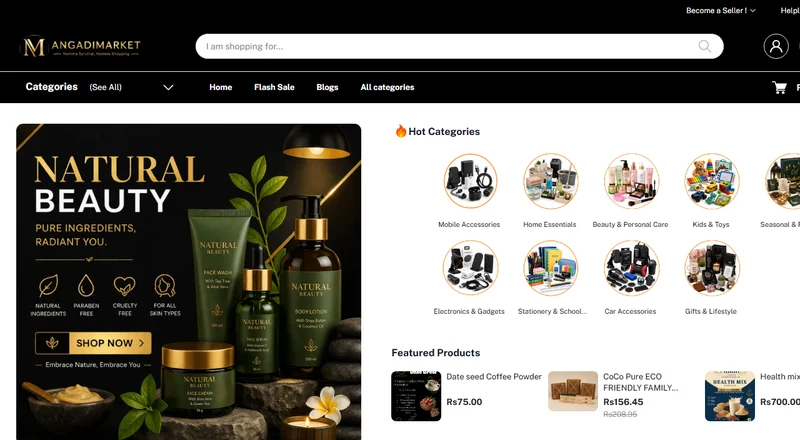
Angadi Market

Sri Rakhi Interiors

MSJ Jewellers

Grow Value Properties

Infibee
What Our Clients Say
Real stories from business owners who partnered with us for growth.
"AS Enterprises rebuilt our interior design studio website in under 2 weeks. Our enquiries and customer calls doubled within a month of launching. Their local SEO optimization works wonders!"
"Working with AS Enterprises for our fashion store was the best business decision. They developed a fast Shopify store and set up our Meta Ads. Our online sales tripled in 60 days!"
"From brand consulting to launching our digital presence, they were professional, prompt, and result-oriented. Direct developer communication saved us weeks of email exchanges."
Official Partners
Platforms and payment gateways we build with and integrate for our clients.
 G
Google Partner
G
Google Partner
 CC
CCAvenue
CC
CCAvenue
 S
Shiprocket
S
Shiprocket
 🛒
Shopify Partners
🛒
Shopify Partners
 R
Rediff
R
Rediff
 Z
Zoho
Z
Zoho
 ₹
Razorpay
₹
Razorpay
 P
PayU
P
PayU
 💬
tawk.to
💬
tawk.to
Ready to Build a Brand That Stands Out?
AS Enterprises helps Chennai businesses turn strategy into results. Get a free, no-obligation consultation.